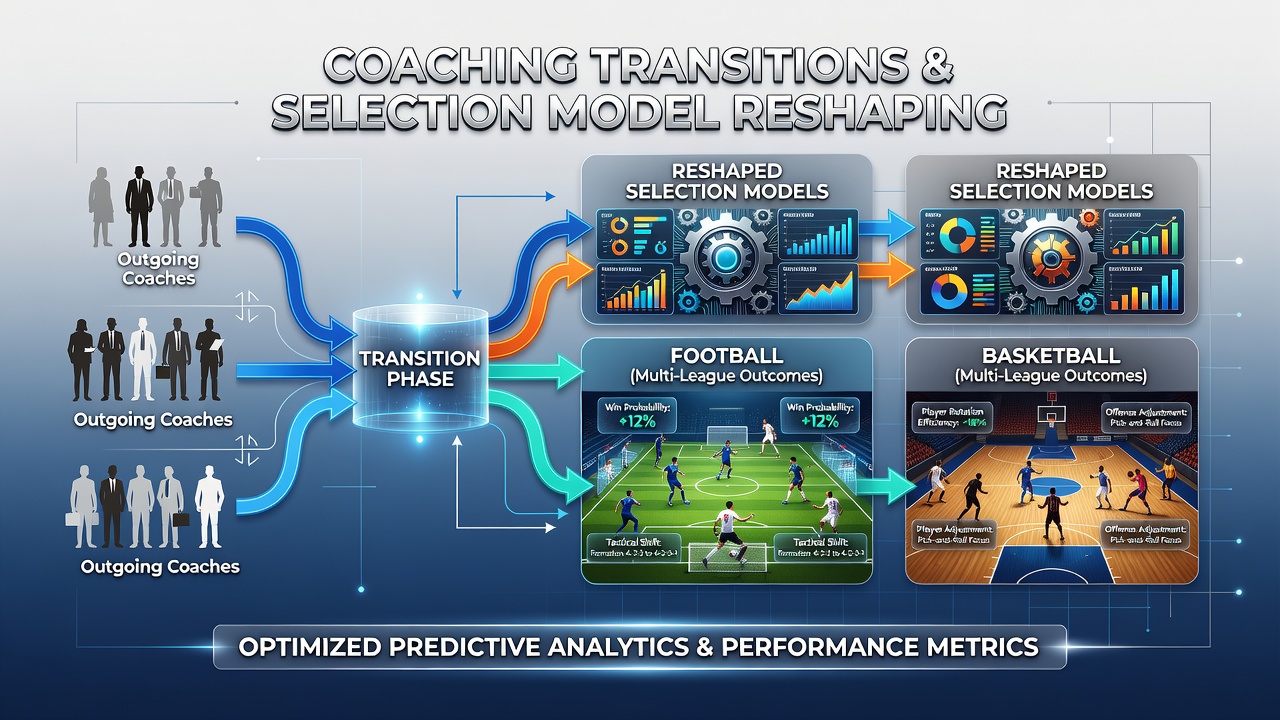
Coaching Transitions Transform Predictive Models Across Football and Basketball Leagues
Coaching transitions introduce measurable shifts in team dynamics that data analysts track across multiple football and basketball leagues, and these adjustments force updates to statistical selection models used for outcome forecasting. Research from academic institutions shows that new leadership often alters playing styles within the first three months of a season, which directly influences variables like possession rates in football and defensive efficiency ratings in basketball. Those who study these patterns observe consistent patterns where squads adopt new tactical frameworks that render older historical datasets less reliable for projections.
Statistical Adjustments in Multi-League Football Environments
Football leagues spanning Europe, South America, and Asia present distinct challenges for model recalibration when coaches change mid-season or during off periods. Data indicates that teams under new management frequently modify pressing intensities and set-piece routines, which requires analysts to weight recent matches more heavily than archived results from prior campaigns. One study revealed that incorporating coach-specific metrics, such as average pass completion under pressure, improves forecast accuracy by measurable margins in leagues with frequent managerial turnover. Observers note that leagues like those in Brazil and Argentina experience pronounced effects because squad compositions often remain stable while tactical instructions evolve rapidly.
Selection models that blend data from domestic cups and continental competitions must account for these variables simultaneously, since a coach's approach in one competition may diverge from another due to fixture congestion. Figures from university-led analyses demonstrate that ignoring these transitions leads to overestimations of goal-scoring outputs in early post-change matches. Experts adjust parameters by layering in qualitative inputs from press conferences and training observations alongside quantitative performance indicators to maintain model robustness across borders.
Basketball Leagues and Coaching Influence on Selection Frameworks
Basketball presents parallel dynamics where coaching changes reshape rotation patterns and offensive schemes across professional and collegiate circuits. Models tracking NBA, EuroLeague, and NCAA outcomes incorporate adjustments for pace control and three-point attempt distributions once a new staff implements its system. Research published through sports science channels shows that defensive schemes often stabilize faster than offensive ones, creating temporary imbalances that selection algorithms flag as high-variance periods. Those tracking these shifts apply decay functions to older data points while emphasizing metrics collected after the transition date.
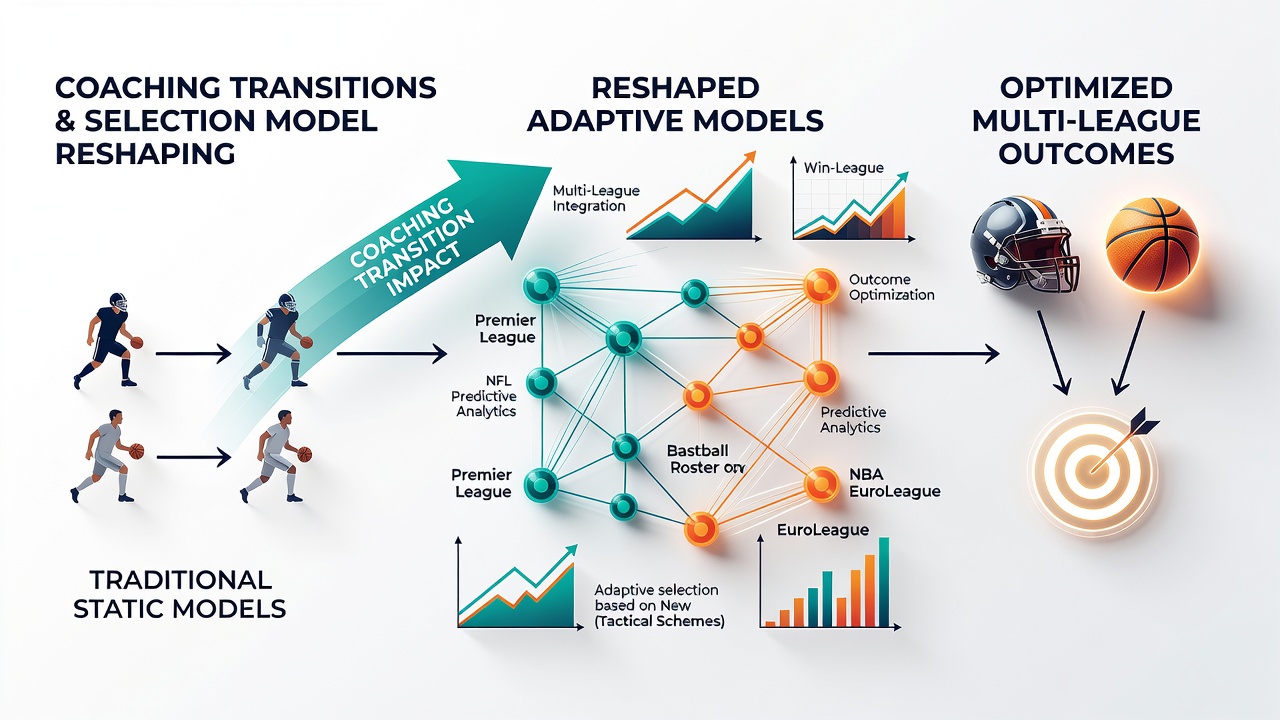
Cross-league comparisons become essential because some basketball organizations share player pools or scouting networks, allowing trends observed in one competition to inform models for another. Analysts integrate variables such as bench usage rates and timeout frequency to capture how new coaches manage game flow. Evidence suggests that teams experiencing coaching turnover display elevated foul rates in the initial weeks, a factor that selection models now flag explicitly when generating probability distributions for total points outcomes.
Data Integration Practices and Timeline Considerations
Organizations refining their models around July 2026 will encounter fresh datasets from completed seasons in both hemispheres, which analysts combine with transition indicators to update weighting schemes. This period aligns with pre-season preparations in many football leagues and off-season roster movements in basketball, providing clean windows for recalibration before competitive schedules resume. Industry reports from research bodies highlight that successful frameworks blend machine learning outputs with human-reviewed contextual notes on coaching philosophies to avoid purely algorithmic drift.
Multi-league models benefit when developers include interaction terms between coach tenure and opponent strength, since newer staffs sometimes struggle against familiar tactical setups. Data collected from international tournaments further refines these interactions by exposing how transition effects manifest under condensed schedules. Those maintaining such systems emphasize continuous validation against live results to ensure parameters remain calibrated across diverse competitive environments.
Conclusion
Coaching transitions continue to drive iterative improvements in selection models that span football and basketball leagues worldwide. The integration of updated statistical weights and contextual variables allows these frameworks to adapt without discarding foundational historical patterns entirely. As leagues prepare for cycles beginning after July 2026, the emphasis remains on balanced data incorporation that respects both quantitative trends and qualitative shifts introduced by new leadership.