
Physical Attributes and Environmental Influences: Mapping Team Ball Sports to Individual Events for Composite Betting Approaches
Team ball sports such as basketball and soccer feature athletes whose height, speed, and endurance patterns researchers have tracked against metrics from individual events like sprints and jumps, while environmental variables including altitude, temperature, and wind speed create overlapping performance data sets that support multi-layered wagering models combining results from both categories. Data from international competitions shows these correlations strengthen when analysts examine how a player's vertical leap in basketball aligns with high jump records under similar humidity levels, and betting platforms have incorporated such cross-sport indicators into parlay structures since the mid-2010s.
Physical Build Correlations Across Sport Types
Height and body mass measurements collected from professional basketball leagues demonstrate consistent links to outcomes in track and field disciplines, whereas soccer midfielders with lower body mass indices often mirror the agility profiles seen in 400-meter runners during endurance tests conducted by sports science laboratories. Researchers at institutions including the Australian Institute of Sport have documented that elite volleyball players averaging 195 centimeters in height achieve comparable force outputs to pole vaulters when tested on standardized equipment, and these findings feed directly into algorithmic models used for constructing layered bets that pair team match totals with individual event placements.
Strength metrics further bridge the two domains because basketball forwards who record higher bench press results frequently post faster times in short-distance individual races during off-season training camps, while environmental conditions modulate these relationships since increased body mass becomes a liability at higher altitudes where oxygen availability drops. Observers note that data aggregation services now integrate player scouting reports with Olympic-style individual event statistics to generate probability matrices for accumulators spanning multiple sports on the same betting slip.
Environmental Factors Shaping Performance Overlaps
Altitude presents one of the clearest cross-sport influences because soccer matches played above 2,000 meters produce measurable drops in sprint distances that parallel reductions recorded in middle-distance track events at the same elevation, and temperature spikes above 30 degrees Celsius affect hydration rates similarly across both team and solo competitions. Wind patterns documented at outdoor basketball courts in coastal regions show directional impacts on shooting percentages that echo tailwind advantages observed in long jump competitions, allowing data analysts to adjust betting lines for layered constructs that include both a team total and an individual field event result.
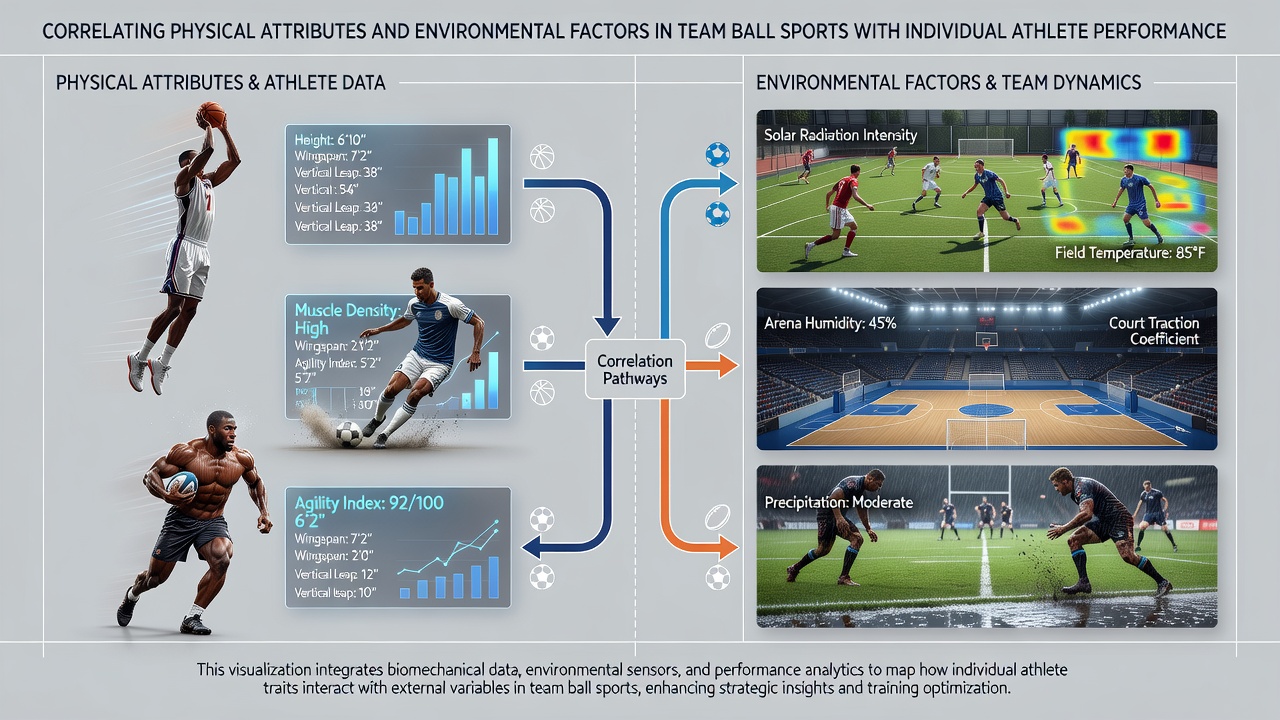
Humidity levels above 70 percent slow ball movement in indoor volleyball while simultaneously extending recovery times for swimmers in individual events, and researchers from the Canadian Sport Institute have published datasets confirming these patterns hold across hemispheres during summer tournaments. June 2026 brings renewed focus to these variables as several major multi-sport festivals prepare updated environmental monitoring protocols that will supply real-time inputs for betting platforms seeking to refine their correlation engines ahead of expanded global schedules.
Constructing Layered Betting Models
Layered betting constructs rely on statistical overlays where a single wager ticket might combine a basketball team's points scored under specific weather conditions with an individual athlete's placement in a concurrent track meet, and software developers have refined these systems using regression analysis drawn from historical match logs. The approach requires weighting physical attributes such as stride length against environmental readings like barometric pressure, which produces adjusted odds that reflect documented performance variances rather than isolated event predictions.
Industry reports from organizations including the National Collegiate Athletic Association indicate that bettors utilizing these cross-referenced datasets achieve more consistent alignment with final outcomes when environmental filters are applied uniformly across team and individual selections, and the same reports highlight growing adoption among European operators who access shared data repositories maintained by academic consortia. Those who study these models note that successful constructs often prioritize variables proven stable across multiple seasons, such as the correlation between a soccer defender's acceleration bursts and equivalent split times in 100-meter individual races.
Conclusion
Physical attribute data and environmental measurements continue to supply the foundational inputs for correlation frameworks that link team ball sports with individual athletic events, and the resulting layered betting constructs depend on precise integration of these elements across diverse competition settings. Ongoing collection of performance statistics from both domains supports increasingly granular adjustments to wagering parameters, particularly as new monitoring technologies come online in 2026 and beyond.