Sensor-Driven Insights Reshaping Accumulator Construction in Racing Circuits and Arena Events
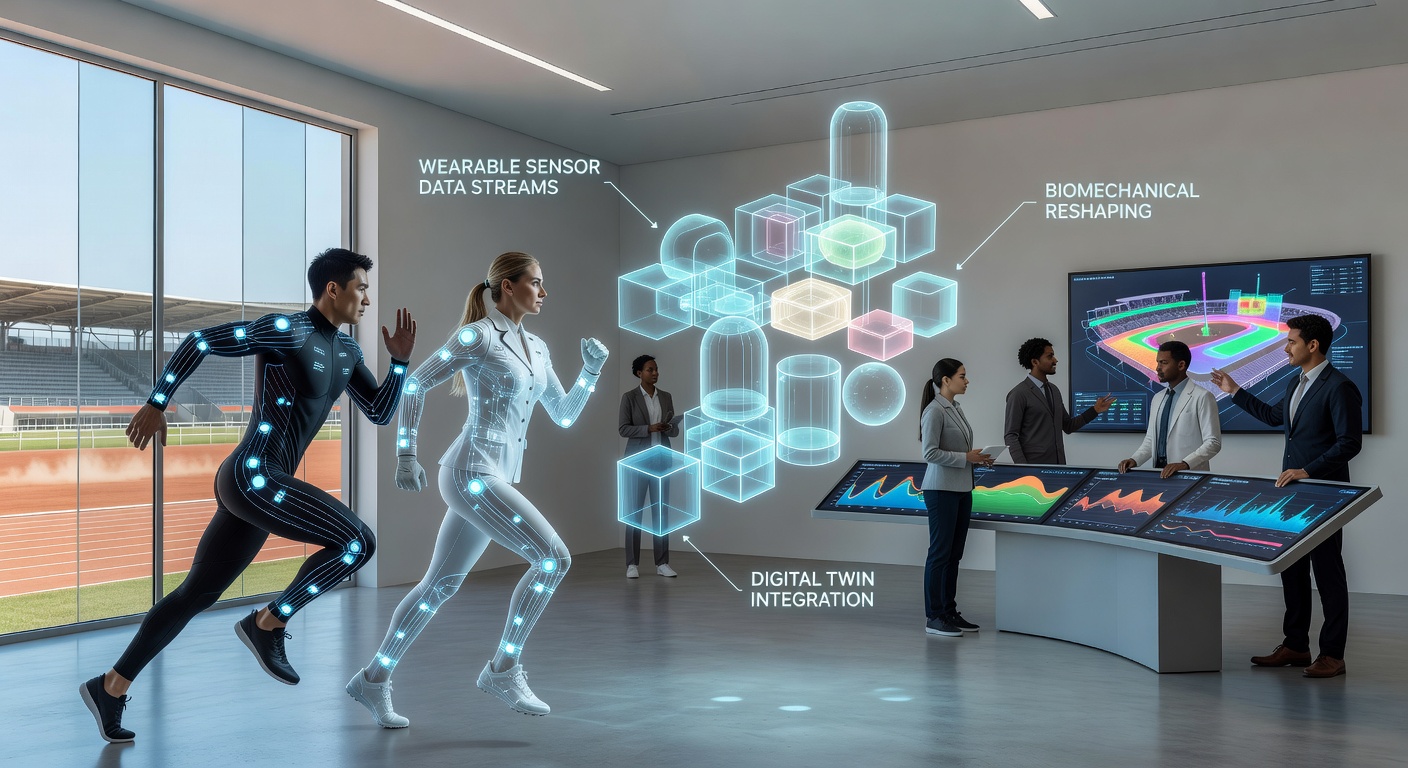
Data from wearable sensors has begun altering how accumulators get assembled across horse racing circuits and multi-sport arenas, since these devices capture real-time metrics like stride length, heart rate variability, and muscle oxygenation that feed directly into selection models. Researchers at various sports science institutions note that the integration started gaining traction around 2023, when device accuracy improved enough to correlate biometric readings with performance outcomes in competitive settings.
Tracks in Europe and North America now supply anonymized sensor streams from participating horses and jockeys to licensed data partners, which allows bettors constructing accumulators to layer selections based on fatigue indicators rather than historical form alone. One study published by the University of Queensland's Centre for Sport and Exercise Sciences demonstrated that horses showing elevated lactate thresholds during pre-race warm-ups exhibited a measurable drop in finishing position consistency, prompting adjustments in multi-leg bets that combine thoroughbred races with other events.
Biometric Inputs and Their Role in Multi-Event Selections
Accumulator builders incorporate outputs such as GPS-derived velocity curves and accelerometer data on impact forces, while arena sports like basketball add player load metrics from torso-worn units that track acceleration and deceleration patterns. These combined datasets enable more granular filtering when pairing a morning-line favorite from one venue with an underdog in another, because the sensor readings flag recovery status between bouts or heats.
In June 2026 several North American racing authorities expanded data-sharing protocols with arena leagues, creating unified platforms where a single dashboard displays both equine gait analysis and athlete jump metrics. This development coincided with the rollout of standardized API feeds that tipster services use to refine parlay matrices, particularly those spanning turf sprints and court-based totals.
Case Examples from Recent Circuits
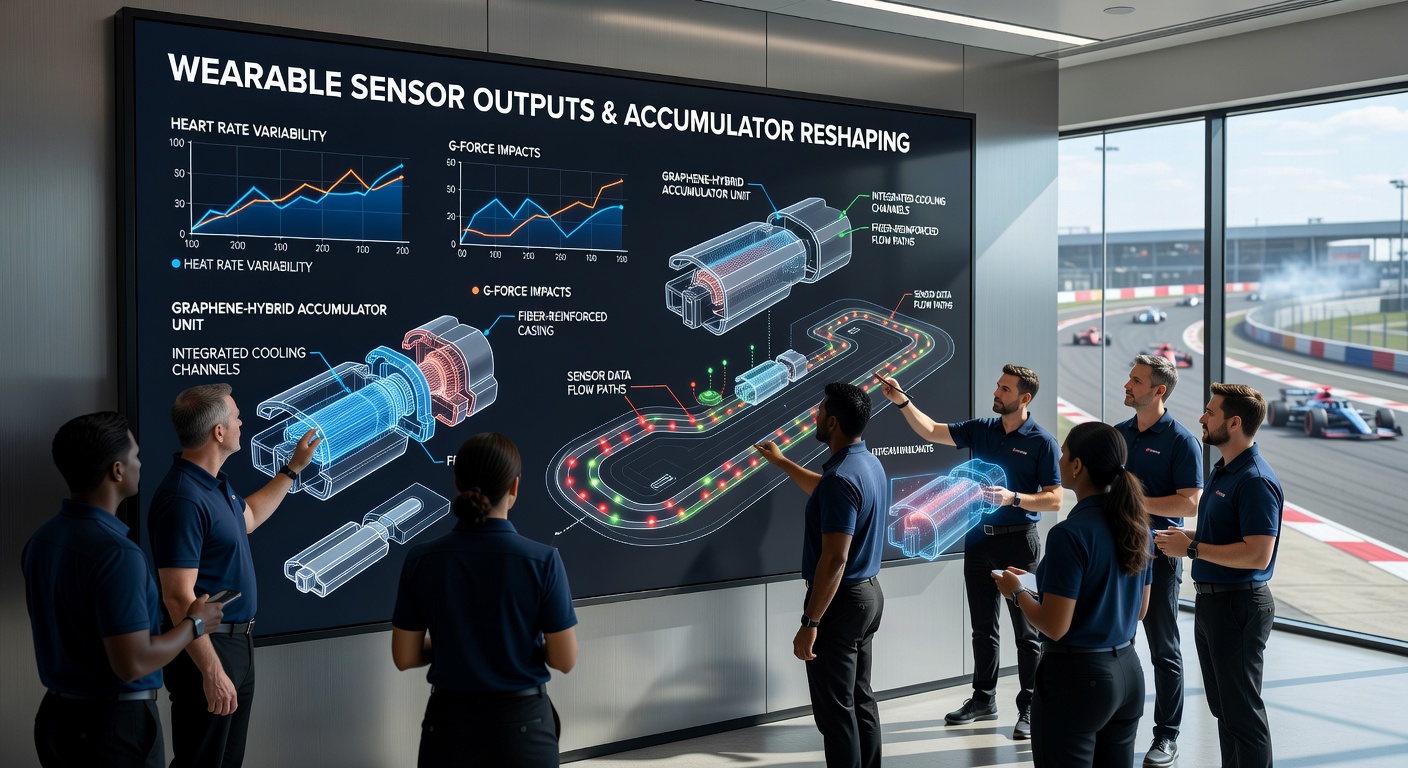
Take one researcher who tracked sensor data across a season of Australian harness racing meets and found that trotters maintaining consistent trotting cadence above 2.1 meters per second in the final 400 meters appeared in winning combinations more frequently than form guides alone predicted. Bettors who folded those readings into accumulators that also included NBA player prop legs reported tighter variance in their outcome distributions according to internal logs shared with academic observers.
Another instance emerged during a European Grand Slam tennis swing where wrist-based sensors on players flagged asymmetric loading on serving arms; those readings aligned with subsequent service hold percentages that influenced accumulator structures pairing tennis matches with evening track events. Industry reports from the International Olympic Committee athlete monitoring program have documented similar patterns across multiple disciplines, showing how longitudinal biometric trends inform the weighting of individual legs within larger multi-sport tickets.
Regulatory and Technical Frameworks
Governing bodies in Canada and Australia have issued guidelines requiring sensor manufacturers to maintain data integrity standards before feeds reach betting operators, while the Sports Integrity Initiative has published frameworks for ethical use of such information in wagering contexts. These measures address concerns around selective disclosure yet still permit aggregated statistics to circulate among licensed analytics providers.
Technically the process involves machine-learning models trained on thousands of race and match instances, where sensor variables serve as features alongside traditional odds and pace figures. The resulting probability estimates then guide which combinations satisfy accumulator thresholds for payout multipliers, particularly when events occur on the same calendar day across different time zones.
Conclusion
Overall the shift toward sensor-informed accumulator construction continues to evolve as device precision and data accessibility increase, with June 2026 marking a notable expansion in cross-sport data protocols that link racetrack and arena environments. Observers note that continued refinement of these inputs will likely depend on sustained collaboration between equipment suppliers, regulatory agencies, and performance analytics teams operating across multiple continents.