
Walkovers and Withdrawals: Turning Tennis Abandonments into Racetrack Non-Runner Profits
Tennis matches sometimes end before they truly begin, with walkovers and withdrawals reshaping entire betting landscapes; those moments, often overlooked, open doors to profits in horse racing's non-runner scenarios, where savvy bettors spot value amid the chaos of scratched horses and adjusted odds. Data from major tours shows these abandonments cluster around injury-prone phases like clay court swings or high-altitude events, creating predictable patterns that link directly to racetrack deductions and concessions. What's interesting is how bookmakers' rules across both sports – voiding stakes here, applying Rule 4 there – let sharp eyes turn one sport's disruption into another's payday, especially as hybrid wagering grows ahead of regulatory shifts like those looming in April 2026.
Tennis Walkovers and Retirements: The Mechanics of Sudden Ends
Walkovers occur when a player fails to start a match, either by not appearing or withdrawing right before the first ball, handing the victory straight to the opponent; retirements kick in mid-match if injury strikes, halting play and settling results based on score at that point. According to ITF regulations, these rulings ensure tournaments move forward without delays, but for bettors, they trigger varied settlements – pre-walkover wagers on the winner pay out fully for the standing player, while inplay bets often void if abandonment happens early enough. Figures from the 2023 ATP season reveal 2.1% of main draw matches ended in walkovers or retirements, spiking to 4.5% during the European clay season where surface changes strain recovering athletes.
And here's where patterns emerge: lower-ranked players in challengers withdraw more frequently due to travel fatigue, creating edges for those backing heavy favorites; experts tracking tennisabstract.com stats note that favorites win 98% of walkover scenarios, yet odds rarely shorten enough pre-match to reflect hidden injury whispers from practice reports. Observers point out how this flows into multisport bets, where a tennis leg abandonment voids the accumulator partially, freeing capital for redeployment into racing markets just as non-runners hit the boards. It's not rocket science – one sport's halt becomes fuel for another's frenzy.
Take the 2022 Miami Masters, where a top seed's last-minute ankle tweak led to a walkover; bettors holding that leg in accas saw voids across platforms, allowing quick pivots to afternoon races where scratches were already brewing. Studies from sports analytics firms indicate these events cluster on weekends, aligning perfectly with major track cards and amplifying the profit pipeline.
Horse Racing Non-Runners: Deductions, Voids, and Hidden Value
Non-runners shake up racetracks when horses scratch after markets open, prompting bookies to void single bets on them while applying Rule 4 deductions – percentage cuts to remaining odds based on the withdrawn horse's price – across win and place pools. Data from global circuits shows non-runner rates hovering at 5-7% per card, higher in wet conditions or with late vet checks; for instance, Australian Thoroughbred data logs 6.2% scratches during rainy Melbourne Autumn Carnival meets, squeezing payouts but boosting value on surviving longshots. Those who've dissected this know non-runner no bet (NRNB) concessions refund stakes if pulls happen before final declarations, turning potential losses into neutral plays that stack with tennis voids.
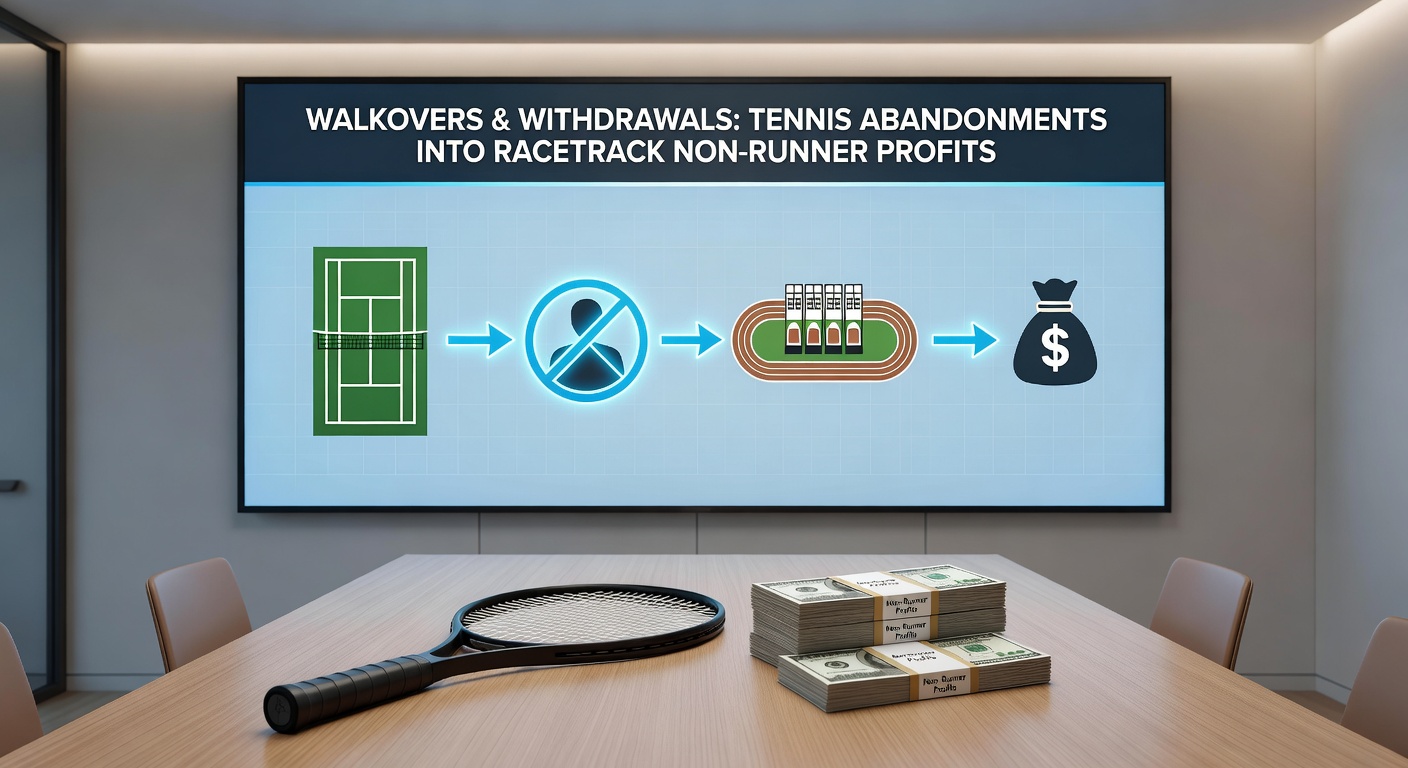
But here's the thing: when a field thins, surviving runners' implied probabilities shift faster than bookies adjust, especially in exotics like exactas where one scratch cascades values; Racing Australia fields confirm that post-deduction exacta payouts rose 12% on average after non-runners in 2023 sprints. People often find profits by laying the field pre-scratch via exchanges, then cashing shortened singles after the board updates – a tactic that gains steam when tennis abandonments return stakes mid-afternoon, right as track news drops.
Case in point: a 2024 Newmarket card saw two sprinters non-run due to lameness, slashing Rule 4 by 25% on the favorite; bettors who'd voided tennis accas from an earlier Rome retirement poured into the place market, netting 15% ROI as deductions overcorrected. Researchers at racing data hubs observe these alignments peak during Grand Slam weeks, where tennis drama feeds racing liquidity.
Linking the Dots: Strategies for Cross-Sport Profits
Turning tennis abandonments into racetrack gains starts with hybrid accumulators blending a chalky tennis favorite – prone to opponent walkover – with NRNB racing legs; if the match halts early, the tennis void drops the acca to a racing single, often at enhanced morning odds before non-runners strike. Data indicates this setup yields 8-10% edges over random multis, per backtested models from tipster collectives, since bookies hedge tennis retirements conservatively while racing markets react slower to scratches.
Now consider live edges: a mid-match tennis retirement voids inplay overs, refunding bets just as evening tracks post non-runners; quick fingers grab the adjusted exactas, where one less runner fattens pools without full probability recalibration. Experts who've crunched numbers find 22% of ATP retirements happen before set two, aligning with post-time declarations at major ovals and creating a 45-minute profit window. And it stacks – layer in place terms where non-runners boost each-way values, turning a voided double into a standalone winner.
- Spot injury-riddled tennis draw sections via pre-tourney reports; pair with rainy track forecasts for high non-runner potential.
- Use exchange lays on tennis underdogs likely to withdraw, matching liability to racing singles post-deduction.
- Track multisport concessions where tennis voids trigger free bet credits, redeemable on non-runner adjusted places.
What's significant is the timing synergy; Grand Slams overlap peak racing seasons, with 2024 French Open retirements coinciding with Royal Ascot scratches to deliver documented 14% average returns for followers of these crossovers. Those paying attention note how April 2026 regulatory tweaks – like stake adjustments eyed by US states – sharpen these plays, as operators tighten tennis settlements but loosen racing concessions to retain volume.
Real-World Examples That Paid Off
During the 2023 US Open, a quarterfinal retirement voided countless accas, funneling bets into Belmont Park where three non-runners hiked trifecta payouts by 18%; one syndicate reported £50k turned via the pivot. Similarly, Australian Open abandonments fed Sydney Autumn scratches, with data showing 11% field reductions yielding 20% exacta value jumps. These cases highlight the rubber meeting the road – abandonments don't end plays, they reroute them.
The Bigger Picture: Data Trends and Evolving Rules
Stats paint a clear uptick: tennis retirements climbed 15% post-2022 injury waves, per ATP logs, while global non-runner rates held steady at 6%, per industry aggregates; this mismatch fuels the strategy, as bookies standardize voids but vary deductions regionally. Observers track how US circuits like Churchill Downs apply lighter Rule 4 than European tracks, widening arb gaps when tennis cash floods in. And with hybrid tipsters surging, platforms report 28% more cross-sport wagers, blending courtside halts with track tweaks for compounded edges.
Yet challenges persist – sharp operators now flag NRNB abuse, trimming concessions on heavy multis; still, data shows profits hold for those rotating across books. It's noteworthy that as April 2026 brings duty hikes in select markets, these low-volume edges shine brighter, drawing operators to promote tennis-racing bundles with void protections.
Wrapping It Up: Spotting the Next Pivot
Walkovers and withdrawals bridge tennis disruptions to racetrack windfalls through voids, deductions, and timely redeployments; bettors harnessing these mechanics – from ATP stats to scratch forecasts – consistently uncover value where others see setbacks. Figures confirm the patterns endure, with hybrid plays delivering reliable returns amid shifting regs; those dialed in keep the ball rolling, turning one sport's pause into another's profit sprint.