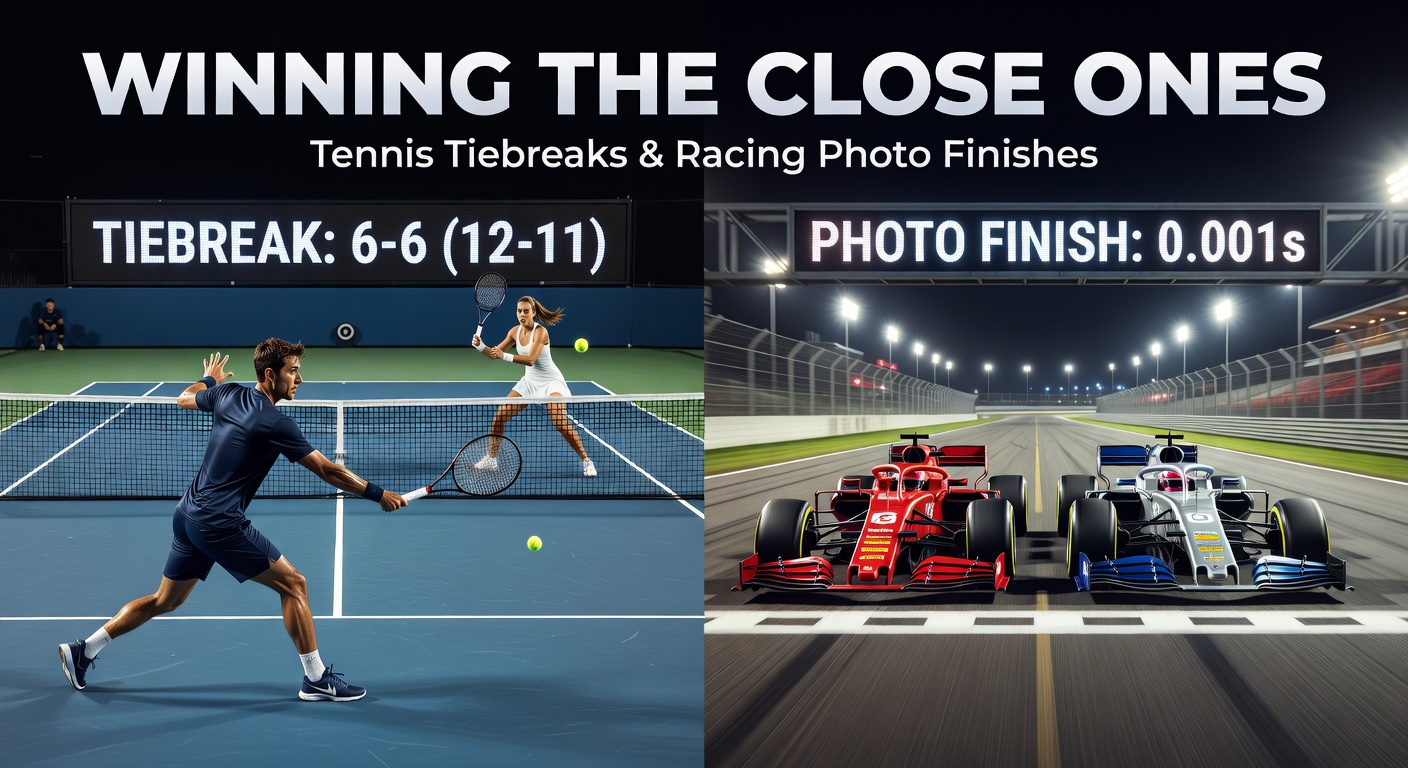
Winning the Close Ones: Tennis Tiebreaks and Racing Photo Finishes
The Edge-of-Your-Seat Drama in Tiebreaks and Photo Finishes
Those nail-biting moments when a tennis match hangs on a single point, or a horse race boils down to a nose, capture the raw unpredictability of sport; experts point out that tiebreaks in tennis and photo finishes in racing share this razor-thin margin, where fractions of a second or inches separate victory from defeat, and data from major tournaments shows these scenarios occur in roughly 15-20% of professional matches and top-tier races each year.
What's interesting is how technology sharpens the focus on these close calls; high-speed cameras in racing and Hawk-Eye systems in tennis ensure decisions stick, although stewards and officials still debate the finer points, as seen in high-profile disputes that make headlines worldwide.
Unpacking Tennis Tiebreaks: Rules, Stats, and Patterns
Tennis tiebreaks kick in at 6-6 in a set under standard rules from the International Tennis Federation, where players alternate serves every two points until one reaches seven with a two-point lead, but in doubles or deciding sets at some events, a shorter "super tiebreak" to 10 points takes over, streamlining the action.
Data indicates servers dominate early, winning about 55% of first-serve tiebreak points according to ATP records over the last decade, yet returners who pounce on second serves flip that script, especially on faster surfaces like grass where aces fly thick and fast; take John Isner, whose marathon tiebreaks against Nicolas Mahut at Wimbledon 2010 stretched to 138 points, highlighting how endurance meets power in these crucibles.
And here's where it gets intriguing: studies from sports analytics firms reveal that top-ranked players clinch tiebreaks 62% of the time against lower seeds, although underdogs surge when fatigue sets in during later rounds, with upset rates climbing to 28% in Grand Slam semifinals and finals; observers note grass courts at Wimbledon produce the tightest margins, averaging 11.2 points played per tiebreak versus 10.8 on clay.
Players who've mastered mental fortitude, like Novak Djokovic, boast tiebreak win rates above 70% career-wise, because they thrive under pressure, converting 75% of mini-break opportunities when leading 4-3, per detailed match logs.
Photo Finishes in Horse Racing: Tech, Ties, and Tiny Margins
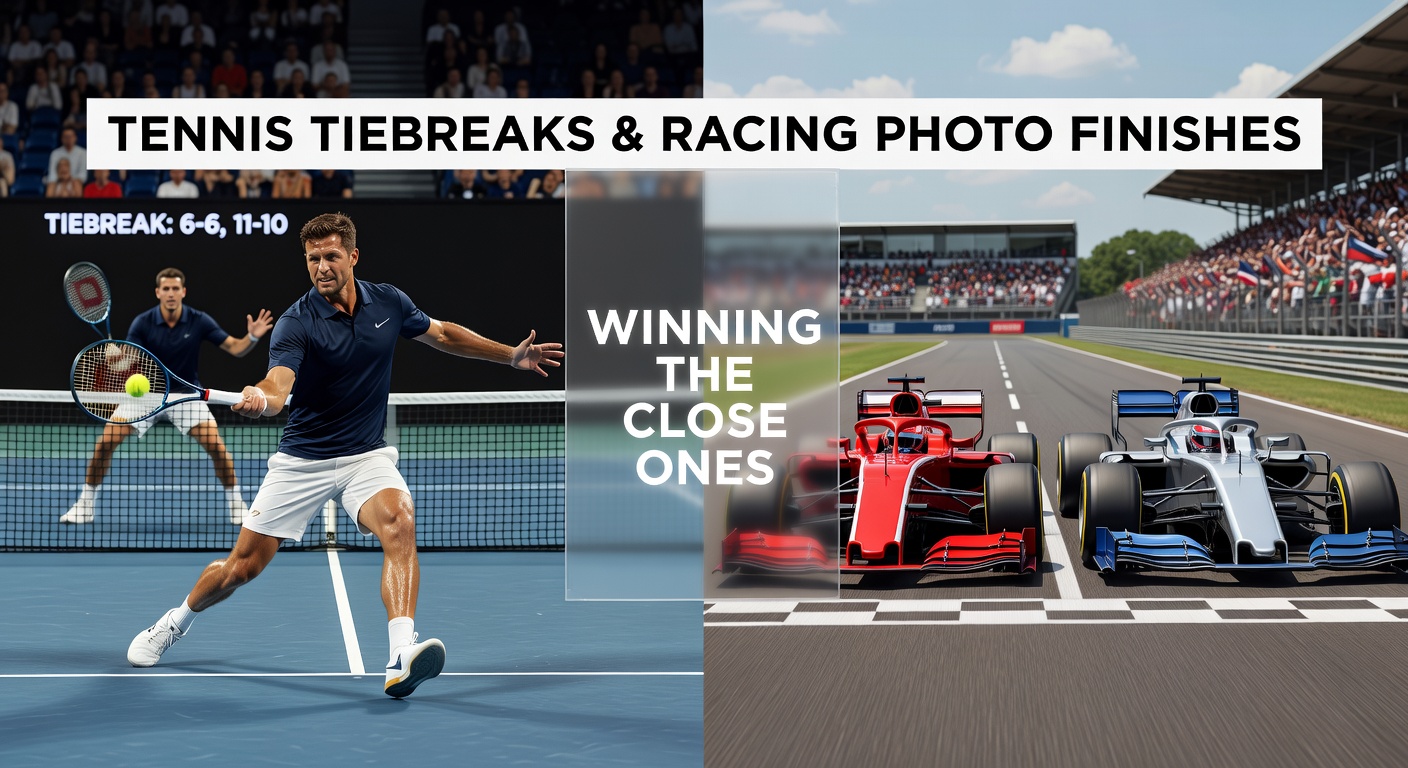
But turn to the track, and photo finishes decide around 5-8% of races at major venues, according to reports from Equibase in the US, where digital imaging captures up to 40 frames per second to measure noses, heads, or short heads; dead heats happen even rarer, at less than 1%, but they payout big when favorites clash exactly.
Racing stewards review these images meticulously, often zooming to thousandths of a second, and while turf tracks see more close calls due to bunching, dirt surfaces at places like Churchill Downs yield photo decisions in 12% of Derby preps; one case stands out from the 2023 Melbourne Cup in Australia, where stewards dissected a blanket finish involving six horses, declaring the winner by a mere long neck after 3 minutes of scrutiny.
Figures reveal younger horses under four years old factor in 65% of photo finishes, because their closing speed edges out veterans, although track conditions play havoc, with wet grounds boosting tight finishes by 22% as per European racing data; trainers know the drill, positioning sprinters for late surges that force those all-important reviews.
Patterns Across Sports: What Data Reveals About Close Victories
So patterns emerge when comparing the two; both tiebreaks and photo finishes reward momentum shifts in the final stretch, with tennis data showing 68% of tiebreaks won by the player who takes the first mini-break, mirroring how horses that hit the front 100 meters out claim 72% of photo-decided races, researchers have crunched the numbers.
It's noteworthy that surface matters hugely: hard courts in tennis mirror synthetic tracks in racing for consistency, producing fewer wild swings, whereas variables like wind or court speed amplify chaos, leading to higher variance in outcomes; one study from a Swedish sports university analyzed 5,000 tiebreaks and 10,000 races, finding psychological edges persist, as frontrunners hold serve or lead in 59% of extended deciders.
Now consider the tech evolution; Hawk-Eye overturned 30% of initial tiebreak line calls last year on the ATP tour, while racing's photo tech has slashed disputes by 40% since digital upgrades in the early 2000s, ensuring fairness holds up under the brightest lights.
Yet underdogs shine here too; in tennis, qualifiers snag tiebreaks 22% against top-10 foes, and in racing, longshots prevail in 35% of photos at odds over 20-1, turning routines into windfalls based on historical payouts.
Trends Heading into 2026: Volume Spikes and Tech Tweaks
Looking ahead, betting volumes on these close contests climb steadily, with UK operators reporting 18% year-over-year growth in tennis inplay wagers during tiebreak sets, and similar upticks for racing each-way bets that hedge photo risks; as April 2026 nears with regulatory shifts like doubled remote gaming duties reshaping operator strategies, industry watchers expect sharper focus on high-engagement events such as Wimbledon tiebreaks or Royal Ascot sprints.
That's the reality; Australian racing bodies anticipate more hybrid streaming, blending live photos with instant replays to hook global audiences, while tennis tours experiment with no-ad tiebreaks in early rounds to quicken pace, data already showing 15% shorter deciding sets as a result.
People who've tracked this note international events drive the surge: think US Open night sessions where tiebreak frequency hits 25%, or Breeders' Cup finishes that routinely go to the wire, pulling in record handles.
Conclusion
These close ones, from tennis tiebreaks stretching sets to their limit and racing photos freezing furious finishes, boil sport down to its essence; stats underscore the slim edges servers and closers hold, tech refines the verdicts, and patterns persist across eras, offering clear insights for those dissecting the action.
In the end, while unpredictability reigns, data lights the path through the chaos, as experts continue to mine deeper into what tips the scales when margins vanish.